
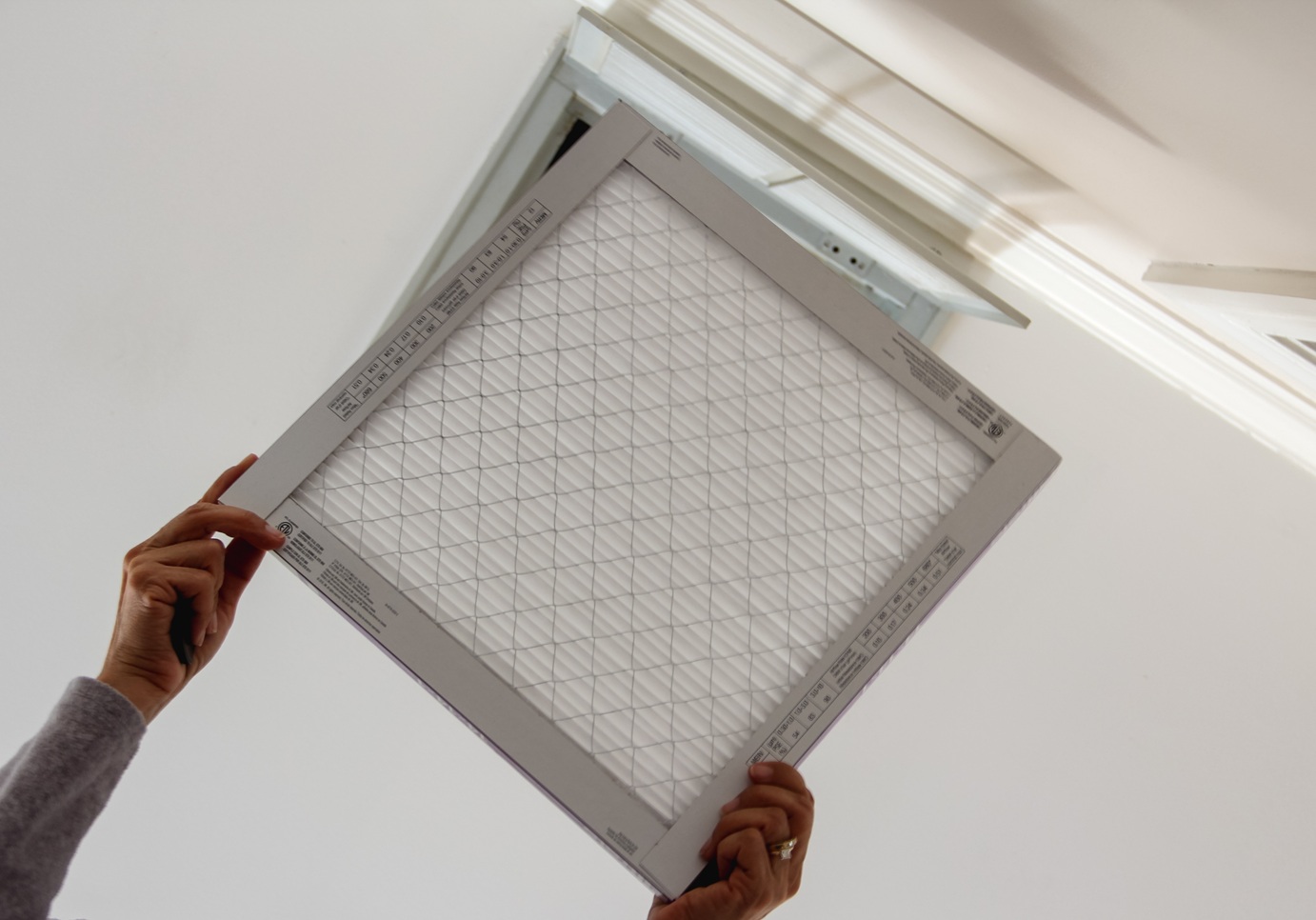
Your HVAC air filter does much more than keep dust out of your home. It plays an important role in protecting your heating and cooling equipment, improving indoor air quality, and helping your system operate efficiently. However, with so many filter options available, choosing the right one can be confusing.
One of the biggest factors to consider is the filter’s MERV rating. Understanding what MERV ratings mean can help you select a filter that balances air quality, airflow, and system performance. Let’s take a closer look at what you should know.
What Is a MERV Rating?
MERV stands for Minimum Efficiency Reporting Value. It is a standardized scale that measures how effectively an air filter captures airborne particles. Ratings range from 1 to 16 for most residential applications, with higher numbers indicating greater filtration efficiency.
As the MERV rating increases, the filter is capable of trapping smaller particles. These may include:
- Dust
- Pollen
- Pet dander
- Mold spores
- Lint
- Smoke particles
- Certain bacteria
While higher filtration sounds better, it is important to remember that denser filters also create greater resistance to airflow. Your HVAC system must be able to handle that additional resistance.
Understanding Common MERV Ratings
For most homeowners, filters typically fall within these ranges:
MERV 1-4
These basic filters capture larger debris such as dust and carpet fibers. They primarily protect HVAC equipment but offer minimal improvement to indoor air quality.
MERV 5-8
These are among the most common residential filters. They remove household dust, pollen, mold spores, and pet dander while maintaining good airflow for most systems. Many HVAC professionals consider this range ideal for average households.
MERV 9-12
These filters provide enhanced filtration by capturing smaller particles that may trigger allergies or respiratory irritation. Homes with pets, allergy sufferers, or higher indoor air quality concerns often benefit from filters in this range, provided the HVAC system is designed to accommodate them.
MERV 13-16
These high-efficiency filters capture extremely small airborne particles and are commonly used in medical facilities and specialized commercial settings. While some residential systems can use MERV 13 filters, many standard HVAC systems are not designed for the increased airflow resistance.
Why Higher Isn’t Always Better
Many homeowners assume the highest MERV rating automatically provides the best solution. In reality, installing a filter that is too restrictive can reduce airflow throughout your HVAC system.
Poor airflow may lead to:
- Reduced heating and cooling performance
- Higher energy consumption
- Increased strain on the blower motor
- Uneven temperatures throughout the home
- Shortened equipment lifespan
Choosing the proper filter requires balancing filtration with the airflow requirements of your specific HVAC system.
Don’t Forget to Replace Your Filter
Even the best air filter becomes ineffective when it becomes clogged. Dirty filters restrict airflow and force your HVAC system to work harder.
Replacement frequency depends on several factors, including:
- Number of occupants
- Pets in the home
- Allergy concerns
- Construction or remodeling projects
- Outdoor air quality
Many homeowners should inspect their filters monthly and replace them every one to three months, depending on usage and manufacturer recommendations.
Let an HVAC Professional Help You Choose
Every home and HVAC system has different requirements. The ideal air filter depends on your equipment, ductwork, indoor air quality goals, and household needs.
If you’re unsure which MERV rating is right for your home, an HVAC professional can recommend the best option while ensuring your system maintains proper airflow and efficiency. Choosing the right filter today can improve comfort, protect your equipment, and help your heating and cooling system perform at its best for years to come.
Trust Ensure Home Solutions for Expert Testing
At Ensure Home Solutions, we use advanced tools to provide accurate duct testing and customized recommendations for repair or sealing. Whether you’re concerned about your energy bills or want to improve the air quality in your home, we’re here to help you breathe easier and live more comfortably.
Contact us today to schedule your duct test and take the first step toward a healthier, more efficient home.


