
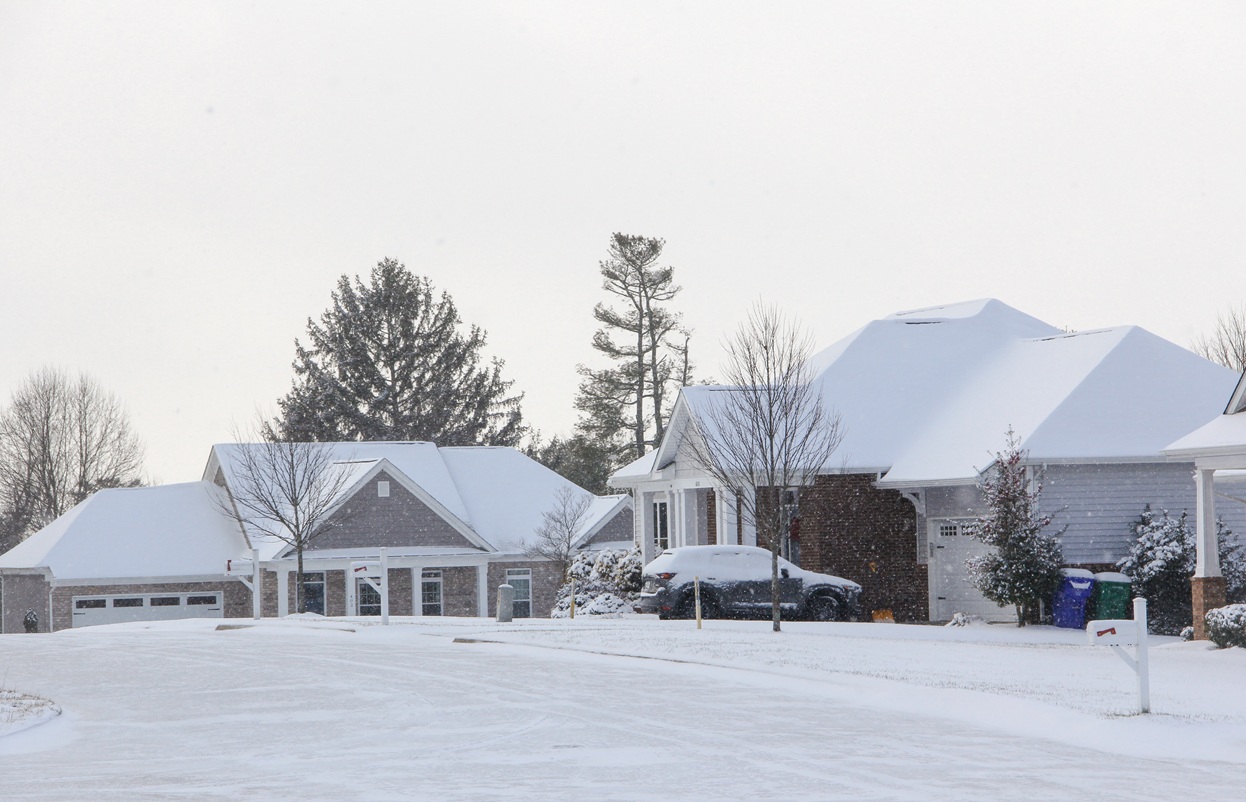
Winter in Northern Illinois can put a home’s heating system to the test. Long stretches of freezing temperatures, strong winds, snow, and sudden cold snaps can force furnaces and other heating equipment to work harder than they do during the rest of the year.
Preparing your HVAC system before winter arrives can improve comfort, reduce energy waste, and lower the risk of an unexpected heating problem during the coldest part of the season. Let’s take a closer look.
Schedule Heating System Maintenance
One of the most important steps in winter HVAC preparation is having the heating system inspected before temperatures drop significantly. Routine maintenance can identify worn components, airflow problems, thermostat issues, and other concerns before the system begins running heavily.
During a typical furnace inspection, a technician may check electrical connections, burners, safety controls, the blower assembly, and other important components. Preventive maintenance can also help the system operate more efficiently throughout the heating season.
Replace or Check the HVAC Filter
A dirty air filter restricts airflow, forcing the heating system to work harder to circulate warm air throughout the home. Illinois energy-efficiency guidance recommends regularly cleaning or replacing furnace filters during the heating season.
Homeowners should check the filter before winter begins and continue inspecting it throughout the season. How frequently it needs replacement depends on the filter, HVAC system, household conditions, and manufacturer recommendations.
Check Your Thermostat
Before the first major cold spell, switch the thermostat to heating mode and confirm that the system responds properly. If the temperature displayed by the thermostat seems inaccurate or the furnace does not respond consistently, the thermostat may need attention.
Programmable and smart thermostats can also help homeowners manage heating more efficiently by automatically adjusting temperatures according to household schedules. Avoid drastic temperature changes, however, since constantly making large adjustments may not provide the savings homeowners expect.
Keep Vents and Registers Clear
Furniture, rugs, curtains, and other household items can accidentally block supply vents and return registers. Restricted airflow can create uncomfortable hot and cold spots while making the HVAC system work harder.
Walk through the home before winter and make sure vents and returns are open and unobstructed. This simple step helps heated air circulate more effectively.
Seal Drafts and Inspect Insulation
Your HVAC system is only part of the equation. If warm air is constantly escaping through gaps around windows, doors, attic spaces, or other openings, the heating system must run longer to maintain the desired indoor temperature.
Illinois Extension recommends identifying and sealing air leaks and checking insulation as part of winter energy preparation. Weatherstripping, caulk, and appropriate insulation improvements can reduce heat loss and make indoor temperatures more consistent.
Protect HVAC Equipment From Snow and Ice
Homes with heat pumps or exterior HVAC components should keep outdoor equipment clear of leaves, snow, ice, and other debris. High-efficiency furnaces may also use exterior intake and exhaust pipes. These openings should remain unobstructed so the heating system can operate correctly and safely.
Prepare Before the Deep Freeze Arrives
Northern Illinois winters can become severe quickly, making early HVAC preparation especially important. Checking the filter, testing the thermostat, improving airflow, sealing drafts, and addressing maintenance needs before winter can reduce unnecessary strain on the heating system.
A little preparation in the fall can help your HVAC system operate more reliably and efficiently when freezing temperatures become an everyday reality.
Trust Ensure Home Solutions for Expert Testing
At Ensure Home Solutions, we use advanced tools to provide accurate duct testing and customized recommendations for repair or sealing. Whether you’re concerned about your energy bills or want to improve the air quality in your home, we’re here to help you breathe easier and live more comfortably.
Contact us today to schedule your duct test and take the first step toward a healthier, more efficient home.


